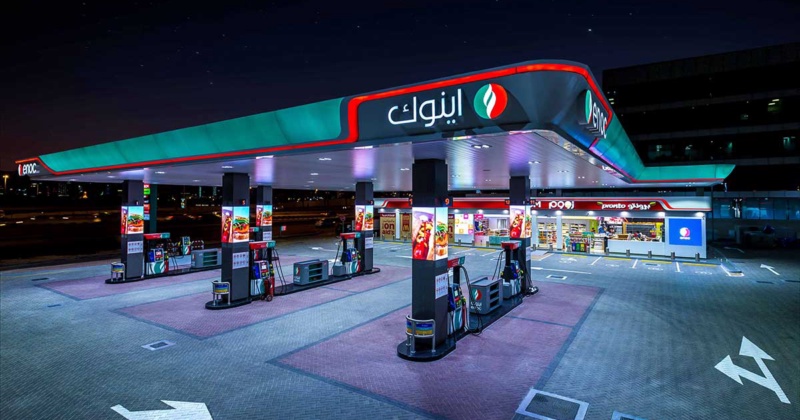
Refuelling in Dubai takes five minutes and needs neither Arabic nor much English. You pull up to the pump, switch off the engine, lower the window and an attendant comes to the car. Name the fuel grade and the amount, or just say full. He opens the filler flap, fills the tank, takes payment on a handheld terminal and brings the receipt. You never leave the car, which in summer at 45 degrees is worth a lot. There is no self-service at UAE petrol stations apart from a few new sites with dedicated pumps.
Which fuel to use
The pumps offer four grades, each with its own colour.
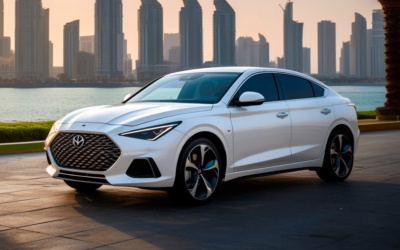
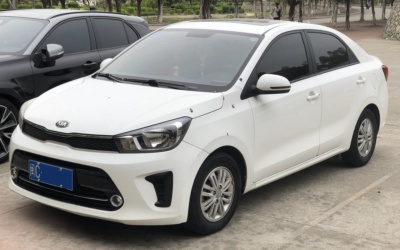
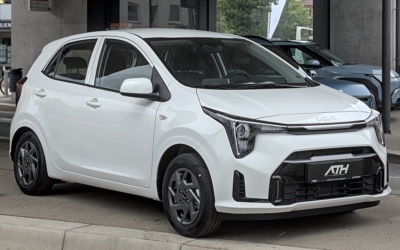
- Special 95, green pump. The standard petrol; almost every car in our fleet runs on it, from the Kia Pegas to the Nissan Patrol.
- Super 98, red pump. Required by sports cars and some premium models: Porsche, Mercedes-AMG, Ferrari, Lamborghini.
- E-Plus 91, pink pump. Cheap petrol for old cars; never put it in a rental.
- Diesel, yellow or black pump. Found in some SUVs and minivans.
The grade is stated in the rental contract and usually inside the filler flap. If in doubt, ask us on WhatsApp; it is faster than the repair afterwards: diesel in a petrol car means flushing the system from AED 2,000, and no insurance covers it.
What petrol costs
Fuel prices in the UAE are set once a month by a government committee, published on the last day of the previous month, and are the same nationwide: a litre costs the same in Dubai, Abu Dhabi and Fujairah. In 2026 Special 95 has stayed in a band of roughly AED 2.5 to 3 a litre, Super 98 is 10 to 15 fils more and diesel close to the 95 price. That is well below European prices, though no longer almost free as it was ten years ago.
A full tank in an economy sedan with a 40 to 45 litre tank comes to AED 110 to 130, a crossover 150 to 200, a large SUV 250 to 300. With ordinary tourist driving of 80 to 100 km a day an economy car burns 6 to 7 litres, about AED 20 a day. In summer the air conditioning adds 15 to 20 percent.
Station chains
Dubai has ENOC and EPPCO, one company under two brands, and Emarat. ADNOC, the Abu Dhabi chain, has opened many stations in Dubai in recent years and is the main one in the northern emirates and on the roads to Hatta and Fujairah. Fuel quality is identical everywhere, it comes from the same refineries, so there is no need to pick a chain. Almost every station has a shop, a coffee counter, toilets, tyre inflation and a car wash, and many are open around the clock.
How to pay
The attendant takes cash in dirhams, any bank card, Apple Pay and Google Pay on a handheld terminal. Cards issued in Russia do not work in the UAE; cards from anywhere else are fine. ENOC and ADNOC have apps that let you pay by pump number, but a visitor does not need them.
One thing worth knowing: when you pay by card the terminal first blocks a standard amount, usually AED 80 to 150, the actual cost is taken later and the difference is released back to the card in one to three days, sometimes longer. If you track your balance to the dirham, pay cash or name the exact amount to fill.
The service fee some stations used to charge is gone: ADNOC dropped it in 2019 and the others followed. Tipping the attendant is not expected, but AED 5 for a cleaned windscreen is taken gratefully.
Filling up before a long drive
On Sheikh Zayed Road and Dubai's other highways there is a station every few kilometres, nothing to worry about. The roads out of the city are another matter.
- Hatta. After Al Awir the E44 runs for about 60 km without a station. Fill up in the city or at the ADNOC in Lehbab.
- Fujairah and the east coast. The E611 and E84 have stations, but fewer than in town; half a tank on leaving is plenty.
- Abu Dhabi. Stations every 20 to 30 km along the E11, no problem.
- Desert roads to Al Qudra and the camps. No stations at all. Leave with a full tank; the air conditioning burns a litre an hour while parked.
Rules at the pump
Switch off the engine, do not smoke and do not use your phone at the pump, there is a fine for it. Most stations prohibit photography and filming. Children and animals stay in the car. Filling a jerrycan for the boot is allowed, but it must be a metal or certified plastic can; the attendant will not fill an ordinary bottle.
Fuel when you return the car
We hand the car over with a full tank and ask for it back full. If you did not manage to refuel, no problem: we charge the gauge difference at station prices plus a small refuelling fee, which costs more than stopping at a station yourself. On rentals longer than five days the first tank is included. To refuel before returning at DXB, use the ENOC on Airport Road three minutes from Terminals 1 and 3; before DWC there are stations on the E311 near Jebel Ali.
Electric cars
If you have rented an electric car, Dubai's public charging network is DEWA Green Charger, several hundred points in malls, car parks and ENOC stations. Pay through the DEWA app or by card at the newer units. A fast charge to 80 percent takes 30 to 40 minutes. More in our guide to renting an electric car.