Hatta belongs to the emirate of Dubai, even though it sits in the mountains on the Oman border, 130 km from the city centre. Temperatures here run 8 to 10 degrees cooler than Dubai, and there is an artificial lake with turquoise water by the dam, kayaking, an old village of clay and stone, and marked mountain trails. A day trip in a rental car is the most popular escape from the city after Abu Dhabi, often chosen by families with children and couples tired of skyscrapers.
The route
From Dubai take the E44, the Dubai–Hatta Road. It starts at the interchange near Dubai Silicon Oasis and runs due east through the desert, then into the mountains. The first 80 km is a straight four-lane road with a 100 to 120 km/h limit; the last 30 km is a two-lane mountain road with an 80 km/h limit and excellent surfacing, curving gently past the rock faces. Drive time is 1 hour 20 minutes from Deira, 1 hour 40 from the Marina.
The road used to run through the Omani enclave of Madha with document checks at two posts, which confused visitors. Today the E44 runs entirely within the UAE, there is nothing to show and you cross no border. An SUV is not needed for Hatta at all: every point of interest is reached on tarmac, and a Kia Pegas gets there as confidently as a Nissan Patrol.
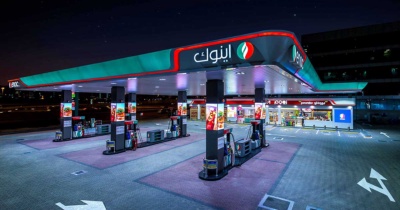
Fuel up in advance: the last large petrol station before the mountains is in Al Madam; Hatta itself has one ENOC station at the town entrance with a smaller fuel selection.
What to see
- The Hatta Dam and lake. The main attraction: turquoise water squeezed between brown rock faces, the view changing with the time of day. Kayaks and pedal boats are rented right by the water, AED 60 to 120 an hour depending on the type. Parking is free but fills up from 10 am to 2 pm on winter weekends, so arrive at opening.
- Hatta Heritage Village. A restored 16th-century village with watchtowers and buildings of clay and palm leaves, a small museum of mountain life. Free entry, half an hour is enough, and children enjoy climbing the towers.
- Hatta Wadi Hub. A sports complex with a zipline over the water, mountain-bike trails of varying difficulty, hill tubing and archery. Open October to April, closed in summer due to heat. Equipment rental on site.
- The Hatta Sign. A giant Hollywood-style HATTA sign on a hillside with a viewpoint over the lake and mountains. A footpath about 20 minutes each way leads up; wear closed shoes.
- Mountain trails, marked and signposted, starting from Wadi Hub, from 3 to 12 km at varying difficulty. Hike early morning only, not in summer, and carry plenty of water.
- Roadside viewpoints along the way to the dam offer small pull-offs for photos with no special preparation needed.
When to go
The best season is October to April. In summer Hatta is cooler than Dubai but still 38 to 40 degrees during the day, kayaking and most Wadi Hub activities close, trails are dangerous in the heat, and there is little point going without a specific reason. In winter weekends bring many families from Dubai and Sharjah, and the lake and Wadi Hub car parks fill by noon. Leave by 8 am to catch the empty lake and the best light for photos.
Where to eat and stay
There are a few cafes by the lake serving shawarma, coffee and simple dishes; the town of Hatta itself has restaurants with a fuller menu, including Arabic and Indian cuisine. For an overnight stay, JA Hatta Fort Hotel offers mountain views and a pool, and Hatta Dome Park glamping has stargazing-dome tents. A single day is enough for the main sights; an overnight suits those who want a morning hike before the heat or a quiet evening away from the city.
What it costs
Fuel round trip on an economy sedan is AED 40 to 50, there are no toll roads on this route, and parking is free everywhere. The round trip is about 260 km, slightly over the 250 km a day included in the rental, so on a one-day rental the extra kilometres are charged at the rate shown on the car page. Kayaking, the zipline and other activities are paid separately on site.
Which car to take
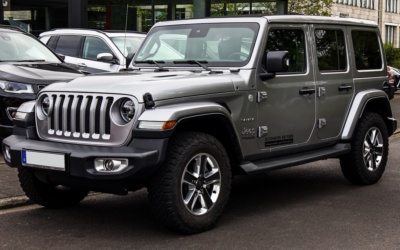
Any car suits the city and the drive to Hatta, including the simplest economy model. For those wanting to bring mountain bikes to Wadi Hub, a crossover with a large boot such as the Kia Seltos or Hyundai Tucson is handier. For the full mountain feel a Jeep Wrangler or Toyota Fortuner works, though technically neither is necessary: it is about the mood more than a real requirement.
Hatta in winter and summer
The seasonal difference in Hatta is greater than in Dubai itself, because the mountains sharpen the contrast. From October to April it is 20 to 28 degrees by day, dropping to 15 in the evening, and January nights can reach 8 to 10, which in the UAE feels genuinely cold. This is when everything operates: kayaks, the zipline, bike trails and hiking routes.
From May to September daytime temperatures hit 38 to 42. Wadi Hub closes entirely, kayaks are not issued and trails are officially discouraged. The dam, the lake for photographs and the heritage village remain, but even those are best visited before 9 am. After 6 pm local families appear by the lake with barbecues, the air cools to 30, and that is the only comfortable window.
Rain in Hatta is rare but does fall in winter, and then water appears in the wadis. It looks spectacular but is dangerous: the beds fill within minutes and must never be forded in any vehicle.
Hatta with children
The destination suits families well. The dam and lake are safe, with walkways and railings. Kayaks come with children's life jackets, with a usual minimum age of 5 accompanied by an adult. Wadi Hub has a dedicated children's zone with tubing and mini trails, and the zipline is available from age 8 subject to weight limits.
What to bring: water, hats, closed shoes for trails, a change of clothes after kayaking and sunscreen. The lakeside cafes are basic with little for children, so bring snacks. Toilets are available at the dam and at Wadi Hub.
Hatta and Oman: an important clarification
Many guidebooks still say the road to Hatta passes through Omani territory and requires a passport. That is out of date: since 2019 the E44 runs entirely within the UAE, bypassing the Omani enclave of Madha, with no checks at all. Carrying your passport is sensible in general, but it is not required for a trip to Hatta.
Hatta itself does border Oman, however, and the Al Wajajah crossing lies a few kilometres from the town. Crossing it in a rental car without a permission letter is not allowed. Navigation apps sometimes suggest routes through Omani territory when travelling further east, so check the route before setting off.
What else is on the road to Hatta
The E44 passes several places worth a short stop.
- Big Red, the Al Hamar dune, around 45 km from the city. A giant red dune roughly a hundred metres high, with buggy and quad hire and paved parking. A 15 to 20 minute walk to the top gives desert views to the horizon.
- Camel farms along the road, with animals visible from the highway and some farms welcoming visitors.
- The village of Al Madam with its abandoned settlement half-buried in sand. Houses stand partly swallowed by dunes and the site is popular with photographers. The track to it is unpaved and off-limits to rental cars, but it is visible from the road.
- Roadside cafes serving karak tea and samosas, the standard stop for local drivers.
Hatta over two days
A day trip covers 260 km within daylight hours, but all the time goes on the drive and the lake. Two days change the character of the trip entirely.
Day one: leave after lunch, check into JA Hatta Fort or the Hatta Dome Park glamping, spend the evening at the lake for sunset, dine at the hotel and enjoy a night sky without city light pollution. The Milky Way is visible in the mountains, which never happens in Dubai.
Day two: an early start, hiking the marked trails before the heat, kayaking on the lake, the Heritage Village, lunch and back to Dubai by evening.
Renting for two days costs twice the daily rate, while a weekly rate makes such a trip almost free compared with a single day. Hatta hotels start at AED 400 a night in winter.