Fujairah is the only emirate located entirely on the Gulf of Oman, which flows into the Indian Ocean, separated from Dubai by the Hajar mountain range. The water here is clearer and cooler than in the Arabian Gulf, the beaches stay almost empty even in season, coral reefs begin twenty metres from shore, and the mountain road is an attraction in itself. From Dubai it is 1 hour 40 minutes to Khor Fakkan and 2 hours to Dibba, and this direction is badly underrated by visitors who stop at Abu Dhabi.
Three route options
The classic route via Masafi. The E311 north, then the E88 through Sharjah and Al Dhaid, then the mountain stretch to the village of Masafi and the descent to the coast. About 150 km, an hour and a half to two hours. Along the way is the famous Masafi market with carpets, fruit, clay pottery and local spring water, a good stopping point. The pass is scenic, with a two-lane road and overtaking widenings.
Via the Sharjah to Khor Fakkan tunnels. The S142 highway, opened in 2021 specifically for tourism: 89 km from Sharjah to the coast with five tunnels bored through the mountains, the longest 2.7 km. This is the fastest way to Khor Fakkan and the most dramatic: the road runs along canyon floors and bursts out at the sea. Tunnels have an 80 km/h limit and cameras at entry and exit measuring average speed.
Via Hatta and Kalba. The E44 to Hatta, then the E84 north along the coast. Thirty to forty kilometres longer, but it lets you combine Hatta and the ocean in one trip if you leave very early. The road through the Kalba mountains is among the most beautiful in the country.
None of the three routes requires an SUV; all roads are paved and in excellent condition. The 20 km/h speeding tolerance applies in Sharjah and Fujairah just as in Dubai.
What to see on the coast
- Al Aqah beach and Snoopy Island. The best snorkelling spot in the UAE: a coral reef right off the beach, turtles, rays and shoals of reef fish. The island is named for a silhouette resembling Snoopy lying down. Beach access via dive centres and hotels, AED 50 to 100 including a sunbed and gear. Visibility is best from October to May.
- Khor Fakkan. Formally part of the emirate of Sharjah. A new waterfront with an amphitheatre built into the cliff, a 45-metre artificial waterfall with lighting, and a long clean beach with free parking and playgrounds. Alcohol is completely prohibited in the emirate of Sharjah, restaurants included.
- Al Bidyah Mosque. The oldest mosque in the UAE, built around 1446 from clay and stone, with four domes resting on a single pillar. Still in use, free entry, women need a headscarf. Roadside parking, twenty minutes to see it, with watchtowers on the hill nearby.
- Fujairah Fort. A 16th-century fortress on a hill above the old town, restored, with the emirate museum and its archaeological finds next door. Nominal entry fee.
- Dibba. The northernmost point of the coast, split between three jurisdictions: Fujairah, Sharjah and Oman. A fishing port from which traditional dhow boats depart on day cruises along the Omani Musandam coast with snorkelling stops.
- Wadi Wurayah. A national park with a waterfall and natural pools; it requires a permit and is often closed to protect the ecosystem, so check before travelling.
A day itinerary
Leave Dubai at 7 am. By 9 you are on Al Aqah beach, snorkelling and swimming until noon before the sun is overhead. At 12:30 lunch in Khor Fakkan at a fish restaurant on the waterfront where you choose your fish on ice and it is cooked in front of you. After lunch, Al Bidyah Mosque and Fujairah Fort, then by 4 pm a walk along the Khor Fakkan waterfront with its waterfall. Return via Masafi with a stop at the fruit market, home by 7:30 pm.
The day covers about 350 km. That is 100 km above the 250 km daily cap, so the extra kilometres are charged at the rate shown on the car page, or arrange unlimited mileage when booking, which makes more sense for this route.
When to go and what to bring
The season runs October to May. The Gulf of Oman warms to 33 degrees in summer and swimming stops being refreshing, while lying on a beach at 45 degrees is impossible. Winter weekends bring many families from Dubai and Sharjah; on weekdays the coast is nearly empty. Bring towels, a change of clothes, high-factor sunscreen and water: shops are scarce on the mountain highway. Sharjah enforces a strict dress code away from beaches, with shoulders and knees covered in public places, and this applies to men as well.
Staying overnight
If the day feels too packed and 350 km in one go too tiring, the coast has hotels at every level, from Le Meridien Al Aqah and Fairmont Fujairah Beach to inexpensive guesthouses in Khor Fakkan. Renting a car for two days costs the same as two separate daily rates, and a weekly rate makes such a trip almost free compared with a single day.
Which car to take
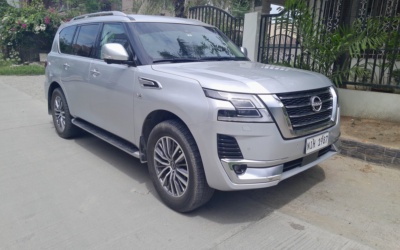
For this route the priorities are air conditioning and enough power for mountain climbs. An economy sedan will manage, but on the pass with four passengers and luggage a 1.2-litre engine works at its limit. A mid-size crossover is ideal: Toyota RAV4, Kia Sportage, Mazda CX-5. For a group of six, the Kia Sorento or Hyundai Santa Fe. Boot space matters: beach kit, snorkelling gear and purchases from the Masafi market take up room.
Practical notes
Mobile coverage drops in places in the mountains, so download offline maps in advance. There are no petrol stations on the mountain stretch; fill up in Al Dhaid or Masafi. The tunnel road is not tolled, but average-speed enforcement there is strict. At beaches with gravel car parks, do not drive onto the sand: it breaches the rental contract and a stuck car costs AED 1,500 to 3,000 to recover.
Snorkelling and diving: the practical details
The east coast is the only place in the UAE with genuine coral reefs close to shore, and the main reason to come. Snoopy Island off Al Aqah beach sits 150 metres out, and you can swim to it in calm conditions, but currents can be strong so most people take a boat from a dive centre.
What you will see: reef fish in every colour, sea turtles, rays and occasionally small nurse sharks, which are harmless. Visibility runs 5 to 20 metres depending on season and weather, at its best October to December and March to May. In summer the water is murkier from plankton blooms.
Equipment: dive centres rent a mask and snorkel for AED 30 to 50, or a full set with fins for AED 80 to 100. You may bring your own. A wetsuit is advisable in winter when the water is 22 to 24 degrees, and unnecessary in summer. Scuba diving costs from AED 250 per guided dive and requires PADI certification.
Important: touching or standing on coral is prohibited by UAE law with serious fines. Collecting shells and starfish is also forbidden.
The Sharjah to Khor Fakkan tunnel road in detail
The S142 opened in 2021 at a cost of AED 5.5 billion. It runs 89 kilometres from Sharjah to the coast through five tunnels, the longest being Al Sidji at 2.7 kilometres. The road has six lanes, a central barrier, lit tunnels and viewpoints on the climbs.
It cut the journey to Khor Fakkan from two hours to one, and it is the route we recommend. Tunnels carry an 80 km/h limit with average-speed cameras at entry and exit, so accelerating inside achieves nothing.
There is a viewpoint with parking overlooking a mountain valley along the way, a good place to stop. There are no petrol stations on the highway itself, so fill up in Sharjah or in Kalba on the coast.
Where to stay on the coast
If the day feels too short, the coast has options for every budget. Le Meridien Al Aqah and Fairmont Fujairah Beach are five-star hotels with private beaches and dive centres, from AED 500 a night in winter. Radisson Blu Fujairah and Novotel in the city from AED 300. Guesthouses in Khor Fakkan and Dibba from AED 150.
Renting for two days changes the logistics entirely: leave Friday evening, spend the night on the coast, have a full Saturday and return in the evening. It is calmer than 350 kilometres in one day and lets you catch sunrise over the ocean, which is particularly good on the east coast because the sun rises straight out of the water.