India is one of the largest sources of tourists for Dubai, and for Indian guests the car rental question usually comes down to three things: which licence is accepted, what is the easiest way to pay, and where it is actually worth driving rather than taking a taxi. Here is a straight rundown, skipping the generic facts about the UAE and focusing on what is genuinely useful for an Indian tourist.
Licence and the International Driving Permit
Citizens of Gulf countries can drive on their home licence with no extra paperwork. Around forty other countries, including EU states, the UK and the US, are on the direct-recognition list for tourists for a limited period, ideally paired with an International Driving Permit (IDP). India is not usually on that short direct-recognition list, so an Indian tourist should plan on needing an IDP alongside their national licence. In India, the IDP is issued in advance through your local RTO before you fly out, it cannot be arranged on arrival in Dubai. The list of countries and the exact rules change from time to time, so check the current list before the trip rather than relying on what was true on a previous visit.
The easiest way to pay
We accept cash, card and bank transfer, and no deposit is blocked under any of these, the full rental amount is paid upfront in one payment. For a guest from India this means a regular international Visa or Mastercard issued by an Indian bank works fine, there is no need to set anything up specifically for the trip. If cash AED is more convenient, that is a standard option too, rupees can be exchanged for AED at the airport or in the city before signing the agreement. Bank transfer is more often chosen for a longer or corporate rental than for a short tourist trip.
Popular routes
For a first drive in a rental car, it makes sense to start with the city: Dubai Marina, Jumeirah, Downtown with the Burj Khalifa, the Atlantis hotel on the Palm, all of it is easy to cover by car without waiting for a taxi between stops. After that, popular day trips out of town include Abu Dhabi for a few hours, the mountain route toward Hatta, or Al Ain. If you want to go properly off the beaten path into the desert, it is worth understanding the difference between a graded track and soft sand: a regular SUV handles packed tracks fine, but real dunes need the Nissan Patrol or the Toyota Land Cruiser, not a city crossover.
What language to expect
Our support works in English and Russian, 10:00 to 19:00 daily, worth knowing in advance if you were hoping for Hindi. English is understood almost everywhere in Dubai, including at petrol stations, parking and police checkpoints, and thanks to the large Indian community in the city Hindi is often understood in shops and services too, but that is not something to rely on for the rental paperwork itself. Road signs are in English and Arabic, and for an Indian tourist used to Latin script day to day, reading them is generally no harder than in any other country with a similar setup.
What actually feels unfamiliar behind the wheel
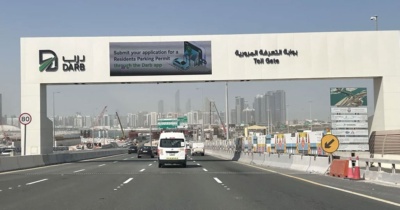
The main practical difference for a driver from India is that the UAE drives on the right, not the left as in India. The steering wheel is on the left side of the car, you stay in the right-hand lane and overtake on the left. It is worth consciously reminding yourself of this in the first few minutes of driving, especially at intersections and roundabouts, where a reflex from home can pull the wrong way. The Salik toll system, which deducts automatically as you pass a gate without stopping, works on roughly the same logic as FASTag back in India, except there is nothing to stick on the windscreen, everything is tied to the number plate.
Which documents to bring
For pickup, bring your passport, national driving licence and the International Driving Permit if your case needs one. If you arrived on an e-visa, it helps to have a printout or a saved copy on your phone, though for the rental itself a passport and licence are usually enough. It is simpler to keep all the documents in one place, your hotel room or a bag you will definitely have on the day of pickup, rather than in a suitcase that might get checked in separately.
Families and large groups
Indian tourists often travel as large families or groups, and a city sedan gets cramped fast for that. The fleet has 7 to 8 seat SUVs, the Toyota Land Cruiser Prado and GXR, the Nissan Patrol, and for really large groups with luggage, a wedding party or extended family, there is a separate fleet of minivans and minibuses. It is worth counting suitcases as well as passengers, even a seven-seat car can feel tight if everyone brings a large case for a long trip.
Wedding and celebration photoshoots
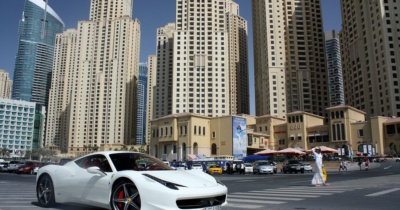
Dubai is a popular spot for pre-wedding shoots for couples from India, and often the car is not just transport but part of the shot itself, a Rolls-Royce, a Bentley or a bright supercar against the Marina skyline or the Burj Khalifa looks striking. For this kind of booking it is worth reserving ahead of time and confirming with us the exact time and location of the shoot, especially if it is a private venue that needs its own access permit, that side is the shoot organizer's responsibility rather than the car rental, but it is better to sort it out in advance rather than on the day.
Fines and parking
Speed cameras in Dubai are strict, and parking rules are fully electronic, there have been no paper tickets since 2021, a parking bay is tied to your plate number through an app or a meter. For a tourist from India used to a more flexible approach to road markings back home, it is worth expecting the system here to work with no exceptions and no negotiating with an inspector on the spot. We have separate guides on speeding fines and on paying for parking if you want the details sorted before the trip rather than after the first notice.
Refuelling the car
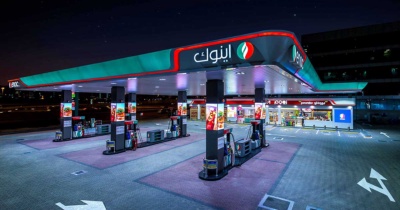
Petrol stations in Dubai are usually full service, you do not pump the fuel yourself, just tell the attendant which grade you need. Most regular cars take Special 95, while premium and sports models more often need Super 98, our staff will tell you which one at handover for your specific car. UAE fuel prices are revised once a month and are the same across the whole country, it is easier to check the current figure in the ADNOC or ENOC app before your trip than to rely on numbers from an older source.