Many trips from Turkey to Dubai are for business: partner meetings, trade fairs, two or three days of negotiations. Some people add a couple of days off and bring the family along. Either way a car saves time, because moving between Business Bay, DIFC, Jebel Ali and the exhibition venues by taxi can eat half a day. Here is what a Turkish citizen needs to rent a car.
Is a Turkish licence accepted
Yes. Turkey is on the list of countries whose national licences the UAE accepts for visitors without an International Driving Permit. The list is approved by the UAE Ministry of Interior and applies in every emirate. Turkish licences are in Latin script, so the car is released on yours, and the police will ask for nothing more at a stop.
What decides is the country that issued the licence, not your nationality. If you hold a Turkish passport but a licence from a country outside the list, you need an IDP together with the original. If in doubt, check with us before booking.
If you are relocating for work
The Turkish licence rule applies to visitors. With a UAE residence visa, foreign licences stop being valid, even with an IDP, and you need a UAE licence. Licences from some countries can be exchanged without a test, but Turkey is not named explicitly in the list we work from. If you are planning a move, check the procedure with us or the RTA in advance, before your residence visa is issued.
Documents for a short trip
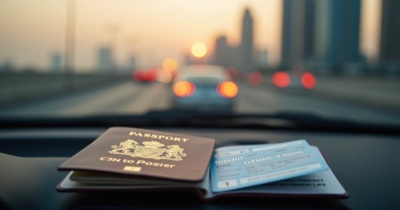
- Passport with a valid UAE visa or entry stamp.
- Your Turkish licence, the original, valid for the whole rental.
- Driver aged 21 or over with at least 1 year of experience; there are no young-driver fees. Some supercars have stricter terms, shown on the car page.
- A colleague driving too? Their licence and passport are needed at handover so they can be added to the contract.
Payment and deposit
Payment is rarely an issue for visitors from Turkey: cards from Turkish banks work reliably in the UAE, including at petrol stations and parking machines. You can pay by card, in cash or with an e-wallet. When paying by card, the rental amount may be held as a pre-authorisation and charged at the end. If the trip goes on a corporate card, check its limit.
Most cars need no deposit. If a car needs one, it is shown on its page. Some cars come from a partner company with its own terms, a 1,000 AED deposit and a minimum of 3 or 7 days, so they do not always suit a short business trip. Insurance is included in the price and applies when the driver is named in the contract and holds a valid licence.
Short rentals: periods and delivery
The minimum period for most cars is 1 or 2 days. For rentals under 7 days, delivery and return together cost 210 AED, and the car is brought to your hotel or office in Dubai. You can also collect it yourself from our office in Princess Tower, Dubai Marina, open daily 10:00 to 19:00. From 7 days, delivery and return are free. 250 km per day is included, usually enough for the city and a meeting in Abu Dhabi.
Traffic, meetings and Salik
If you know Istanbul traffic, Dubai's rush hours will not shock you, but they are worth planning around. The main highways, Sheikh Zayed Road included, are busiest in the morning and evening, and those are also the hours of the higher Salik rate.
Salik works much like Turkey's HGS: a tag in the car, gates without barriers, charges taken automatically. Monday to Saturday from 6:00 to 10:00 and 16:00 to 20:00 a crossing costs AED 6.30, at other times AED 4.20, Sundays a flat AED 4.20, and from 1:00 to 6:00 it is free. The renter pays Salik at actual cost, with no markup. Data arrives with a delay, so the total may be billed after you have flown home. If your accounts department needs a record, ask for a breakdown by date and gate.
Cameras and fines
Speed in the UAE is enforced mainly by cameras. Sheikh Zayed Road is posted at 100 or 120 km/h depending on the section. In Dubai cameras typically record from about 21 km/h over the limit, while Abu Dhabi has no tolerance at all, which matters if your meeting is in the capital. On roundabouts you give way to traffic coming from the left, and on multi-lane interchanges it pays to pick your lane early. Fines arrive electronically and are paid by the renter at actual cost. Parking is paid almost everywhere, by number plate through an app or meter.
Which car to take
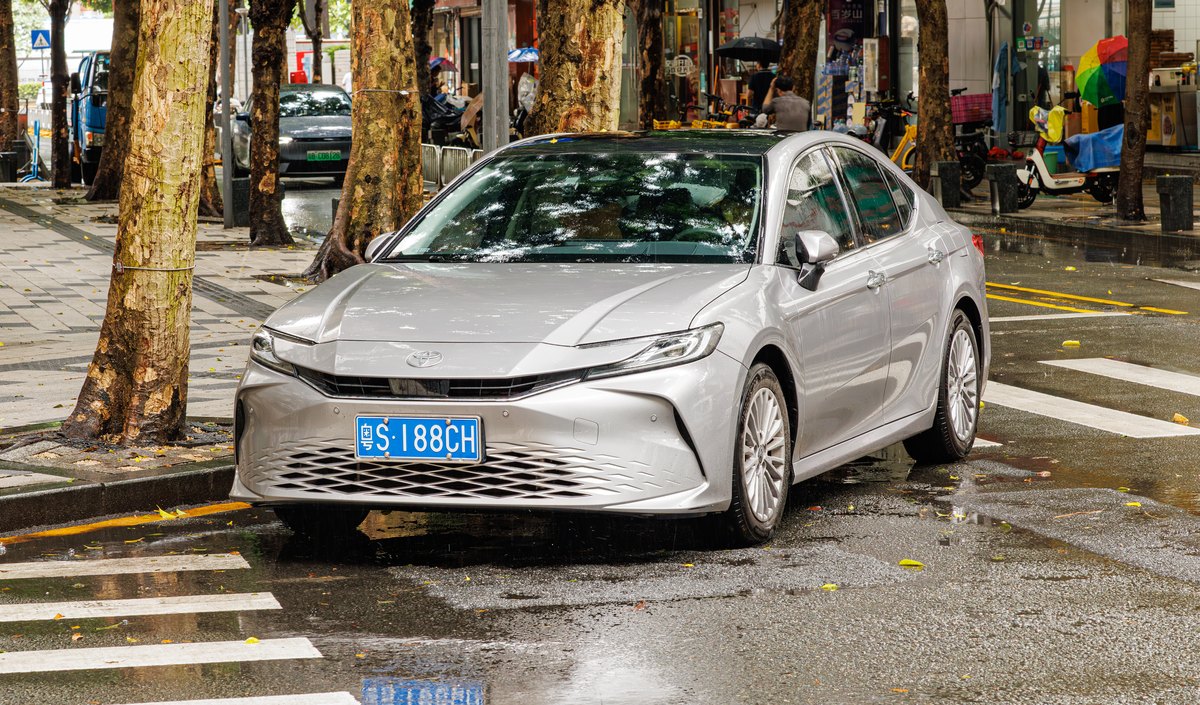
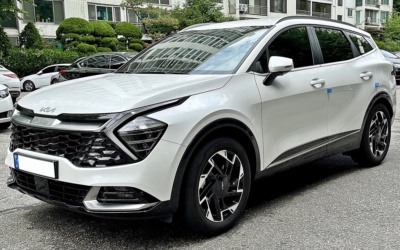
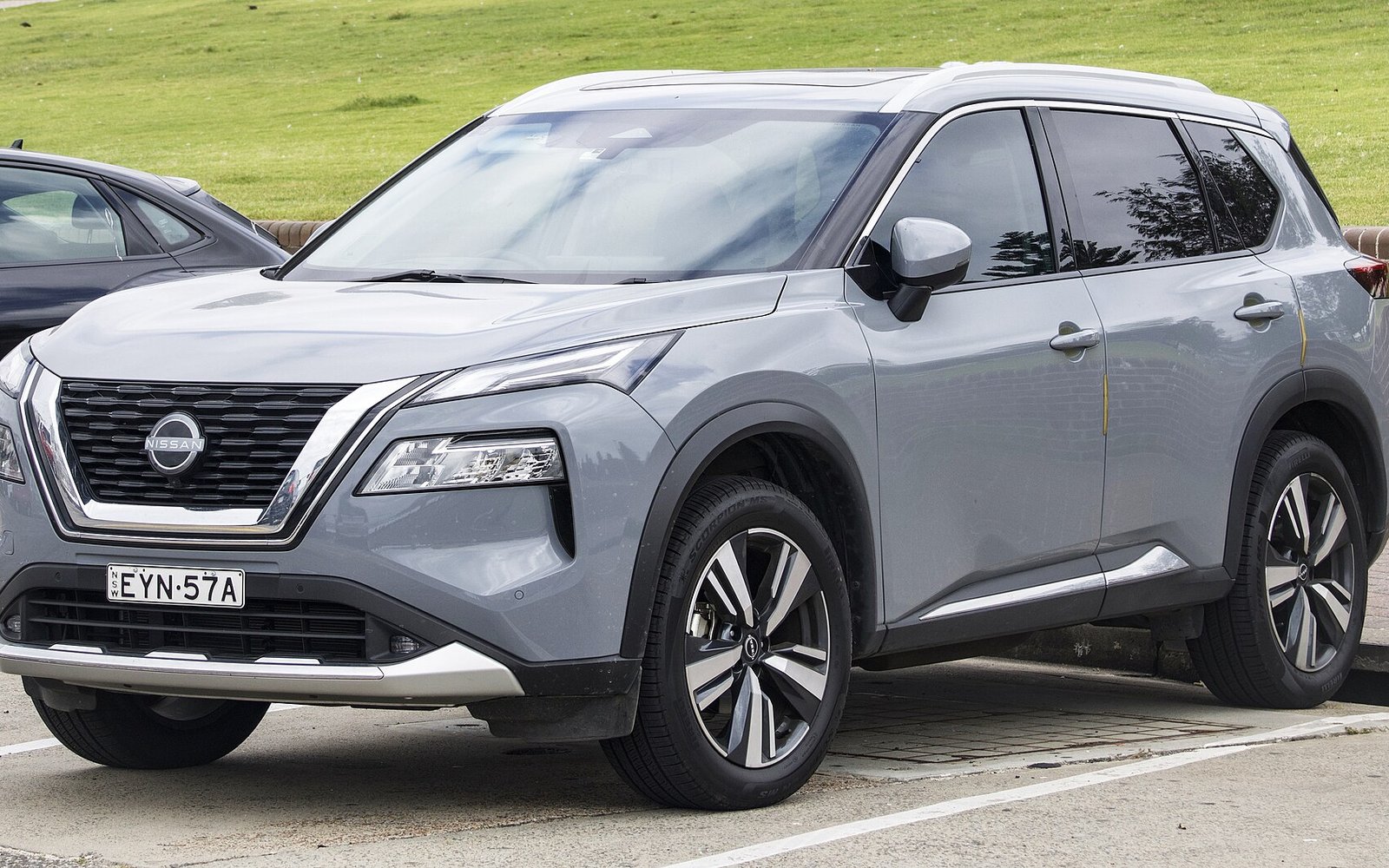
For business, a premium sedan is the usual pick: the fleet has about 365 cars from 56 brands, including Mercedes-Benz and BMW. If colleagues, samples or exhibition materials are coming along, an SUV or minivan is more practical. If the trip turns into a family holiday, take a larger car from the start rather than swapping halfway. If you plan to cross into Oman, ask when booking: it is not allowed on partner cars.