Travelling with a pet in a rental car in Dubai is completely normal, no special permit is needed for it. But there are a few practical points that decide whether the trip stays calm for everyone or turns into a stressful one for the pet and the driver alike. Here is what is worth knowing in advance, from basic safety rules to which car in the fleet is actually comfortable for a crate or a carrier.
The basic rule: the pet needs to be secured
A pet roaming freely around the cabin, especially a large dog, is a direct risk to the driver and every passenger, it can distract at the wrong moment, end up under the pedals, or get hurt during hard braking. A reasonable minimum, whether it is a five-minute trip to the vet or a few hours to Abu Dhabi, is a carrier, a crate, or at least a harness clipped to a seatbelt for a medium or large animal. Small pets are best carried in a closed carrier on the back seat rather than on a front passenger's lap, where a deploying airbag is a separate hazard.
Heat is the main risk, keep it in mind
In Dubai, never leave a pet alone in a car with the engine off, not even for a minute, not even in the shade, not even for a "quick" shop errand. The temperature inside a closed cabin in the sun climbs to dangerous levels within minutes, and this applies year round, not just in summer. If you need to step away briefly, take the pet with you or leave the car running with the air conditioning on and a second person watching, there really is no reasonable third option.
What to bring on the trip
- A carrier or crate of the right size, secured so it does not slide during braking.
- Water and a collapsible bowl, especially for a trip longer than half an hour, pets dehydrate faster than you would expect in this climate.
- A blanket or mat for the seat if the pet travels without a carrier, it is much easier to wash than to clean the upholstery afterward.
- A sunshade for the side window on the pet's side, direct sun through the glass heats the cabin noticeably even with the AC running.
- The pet's vaccination record or vet passport, especially if you are planning to cross into another emirate or abroad, for example toward Oman.
Which car class suits a carrier best
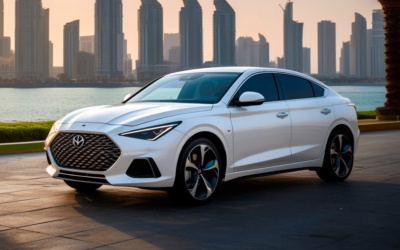
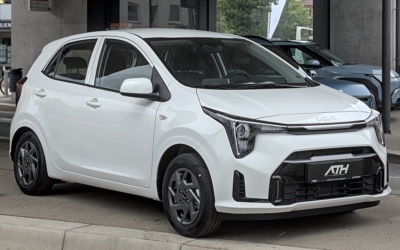
For a small carrier with a cat or a small dog, almost any sedan or crossover works, even compact models like the Toyota Yaris or Corolla have enough room on the back seat or in the boot. For a large dog in a crate, or several pets at once, an SUV with a spacious boot is more comfortable: the Nissan Patrol, the Toyota Land Cruiser or any Range Rover model give enough space so the crate does not block the rear window view or sit crammed against the seats. If a large family is travelling with several pets and luggage at the same time, it is worth looking at a minivan, we have a separate fleet of minivans and minibuses for exactly this kind of trip.
Cleaning and possible damage to the cabin
Fur, claw scratches or a lingering pet smell are treated the same way as any other change in the cabin's condition at return: it is recorded jointly at pickup and at return, and a clear deterioration is charged to the renter under the standard rental terms, not under a separate "pet fee". The easiest way to reduce the risk is upfront, a seat mat or cover, trimmed claws, and a carrier instead of free roaming avoid most disputed situations when the car comes back.
Crossing emirates with a pet
If you are planning to take the pet outside Dubai, to Abu Dhabi for example, or across the border toward Oman, checkpoints sometimes ask for vaccination paperwork, especially at an international border. It makes sense to keep the vet passport in the car rather than leaving it at home or the hotel. For the Oman route we have a separate guide with details on the paperwork needed for the car itself and for the driver, a pet just adds one more item to that list without changing the rest of the process.
Air conditioning and airflow on the road
Even when the pet travels with you rather than being left alone, the air conditioning should run the whole trip in this heat, not just when the humans start feeling uncomfortable. Point the airflow so it is not blasting directly at the pet's face the entire time, that is as irritating as the heat itself. Do not turn the engine off during a short stop in traffic or at a barrier if the pet is still in the car, it is better to have one passenger wait with the AC running than risk the cabin overheating in a couple of minutes.
A quick reference by car class
| Pet | Suitable class | Example from the fleet |
|---|---|---|
| Cat or small dog in a carrier | Compact sedan or crossover | Toyota Yaris, Toyota Corolla |
| Medium-sized dog | Larger crossover or sedan | Range Rover Evoque, BMW X5 |
| Large dog in a crate | Spacious SUV | Nissan Patrol, Toyota Land Cruiser |
| Several pets plus luggage | Minivan or minibus | our separate minivan fleet |
If it is the pet's first time in a car
If this is the pet's first car ride, or its first rental without familiar surroundings, it is worth building in a little extra time at the start of the trip: let the pet settle into the carrier before you start driving, do not pull off the moment it is placed in the crate, and drive gently for the first few minutes. Most pets settle down within 10-15 minutes of calm driving, while an abrupt start at the very beginning of the trip only draws that process out.
If the pet gets carsick
Motion sickness in pets is at least as common as in people, especially in young dogs and cats that rarely travel by car. If you know your pet is prone to it, avoid a heavy meal an hour or two before the trip, position the carrier so the pet faces forward in the direction of travel rather than sideways, and plan hourly stops on a long drive if you can. If it is severe and recurring, it is worth checking with a vet in advance about a sedative meant for car travel specifically rather than for flying, the dosing for the two is usually different.
Timing the trip matters too
If the route is not tied to a specific hour, a pet travels more comfortably early morning or later in the evening, when the tarmac and a parked car's cabin have had less time to heat up than at midday. This matters especially if the trip includes stops with the doors open, a fuel stop or a short walk, every extra minute in the sun at midday is noticeably harder on a pet than the same minute early in the morning.