Roads Run on a Different Schedule During Ramadan
Ramadan moves about 10 to 11 days earlier each year on the lunar calendar, so check the exact dates for the specific year rather than relying on a fixed date, we will not quote one here. What matters for a driver is that traffic behaves differently through the month: mornings look close to normal, the afternoon and evening are where the real change happens. Many people finish work earlier than usual, and that shows up on the roads immediately, especially as the day goes on. Because of the lunar shift, Ramadan occasionally falls in the summer months, and in those years the usual seasonal heat rules stack on top of fasting through the full daylight hours, our guide to renting a car in Dubai in summer covers air conditioning, parking in direct sun and other details that apply regardless of Ramadan and are worth a look in those years.
How Traffic Shifts Through the Day
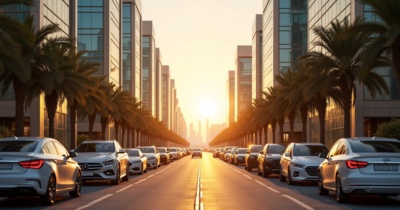
The heaviest traffic during Ramadan falls in the 30 to 60 minutes before iftar, sunset, when everyone heads home at once to break the fast on time. Roads around residential areas and supermarkets get busier in that window than a normal rush hour, and then the city noticeably empties right at the moment of iftar itself, people sit down to eat rather than drive. An hour or two after sunset, traffic picks up again, this time toward malls and restaurants, many of which stay open later than usual during Ramadan, and evening life generally shifts to a later slot than the rest of the year. Late at night, closer to suhoor, the pre-dawn meal, the roads are noticeably livelier than in a normal month too.
Shorter Business Hours
Many offices, government departments and some shops switch to shorter hours during Ramadan, the exact hours vary by organisation, so check them separately before you go. This matters for anything that needs an in-person visit, a bank, a government office or a service centre may close earlier than it would the rest of the year, and catching the right person in the office after lunch is not always guaranteed. We may also adjust our own support hours and the delivery and collection schedule during this period, check the current schedule with us before you plan an exact pickup or drop-off time, especially one that falls in the afternoon or evening. In a normal month our support runs daily from 10:00 to 19:00, not round the clock, and during Ramadan that window may shift, so it is worth booking delivery or collection ahead of time rather than on the day itself, and avoiding the hour right before sunset for an exact appointment if you can, since both traffic and our own schedule are less predictable in that slot.
A Note on Courtesy Behind the Wheel
Eating or drinking visibly in a car in public during daylight fasting hours is generally regarded as impolite toward people who are fasting, this is more a matter of local courtesy and respect than a specific legal rule we would state with confidence. A simple approach works well: if you need a snack or water during the day, do it inside the car with the windows up, away from crowds, rather than visibly while driving past pedestrians or other drivers at a red light.
Traffic Through the Day
| Time | Typical traffic |
|---|---|
| Morning, before midday | close to normal |
| Midday | slightly quieter than usual |
| Hour before iftar | heaviest of the day |
| Iftar itself, at sunset | the city noticeably empties |
| 1 to 2 hours after sunset | picks up again, shopping trips |
| Late evening and night | livelier than a normal month |
Practical Tips
- Build in extra time for trips to residential areas and supermarkets in the last hour before sunset, this is the least predictable part of the day.
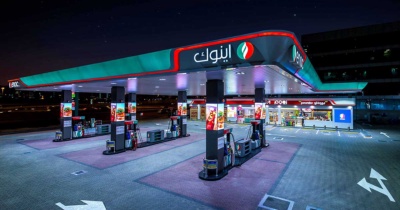
- Fuel up ahead of time, petrol stations in residential areas can see queues right before iftar as everyone rushes to get home.
- Check the hours of any specific government office, bank or service centre in advance rather than assuming the usual schedule applies.
- If you are arranging delivery or collection of a car during Ramadan, confirm the exact time with us in advance, our schedule during this period can differ from the rest of the year.
- Malls and restaurants often stay open late during Ramadan, so the evening tends to work better for errands than it would in a normal month.
Planning a Trip Out of the City
Longer drives, to the coast, into the desert, to another emirate, are easier to plan for the morning or early afternoon, so you are not caught on the way back during the hour before iftar, when the main route into Dubai gets busier than usual. Time your return either before that window or after it, closer to the evening, once traffic settles again. If the trip is long and it looks like you will still be on the road in the hour before sunset, build in a stop rather than trying to beat the jam right up to the moment of iftar.
Eid al-Fitr at the End of the Month
Ramadan ends with the Eid al-Fitr holiday, several days off in a row, and traffic during those days behaves like any major public holiday rather than like the fasting month itself, quieter around business districts and offices, busier toward places families visit, malls and the airport, as people travel or host guests. Paid parking is free on public holidays under Dubai's standard rules, details are in our parking guide, while Salik rates do not change for the holiday, unlike parking. If your trip falls in the first days of Eid, build in extra time on the road the way you would for any major holiday in the city.
Salik and Parking Rules Stay the Same
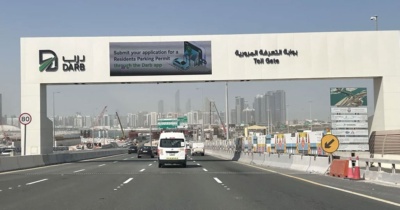
Salik peak hours and rates, along with paid parking rules, do not change during Ramadan, the same windows apply as the rest of the year, details are in our toll and parking guides. What changes is the shape of the traffic through the day, not the numbers themselves, and that matters more for route planning than the rates do.
Bottom Line
Driving in Dubai during Ramadan is not harder than any other month once you know the pattern, the heaviest load shifts to the hour before sunset and evening life starts later than usual. Cut back on driving in that specific window if you can, and keep in mind that hours for many institutions, and for our own support team, may differ from the rest of the year, it is worth checking ahead rather than adjusting on the spot.