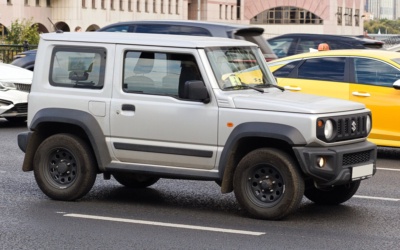
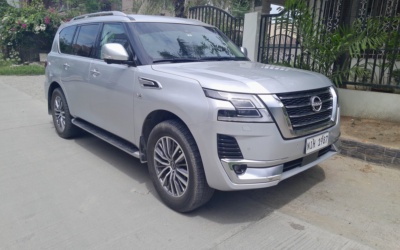
The desert starts immediately outside Dubai: half an hour from the Marina to the first dunes, forty minutes from Deira. Many people rent an SUV specifically for the sand, so it needs saying up front: leaving the tarmac in a rental car is prohibited by contract at every company without exception, ours included. There are two reasons. First, recovering a stuck car from sand requires specialist equipment and costs AED 1,500 to 3,000, sometimes more if the car is deeply bogged. Second, sand in the air filter, brakes, suspension and transmission is hidden damage that insurance never covers, and you will be invoiced for it after inspection.
What is allowed
Driving to the dunes on tarmac, stopping at established lay-bys and car parks, walking on the sand as much as you like, watching sunset from the roadside, having a picnic and taking photographs. There are plenty of paved spots in the desert around Dubai that deliver exactly the view you came for, with no risk at all.
- Al Qudra Lakes. Artificial lakes in the middle of the dunes, 45 minutes from the Marina on the good D63 road. Flamingos, swans, ducks, equipped picnic areas, a cafe and the 86 km Al Qudra Cycle Track. Sunset here is considered the best near the city. Parking is on asphalt with no need to leave it.
- Love Lake. Two lakes shaped like interlocking hearts, visible from the air, next to Al Qudra. Parking right by the water, walkways and a barbecue area.
- Al Qudra Road through the desert. Forty kilometres of asphalt among the dunes towards the Bab Al Shams hotel. You can stop on the wide shoulders where the dunes come right up to the road.
- Big Red, Al Hamar dune. A giant red dune around a hundred metres high beside the E44 to Hatta, about an hour from the city. There is paved parking, buggy and quad hire, and a 15 to 20 minute walk to the top. The most accessible big dune in the UAE.
- Dubai Desert Conservation Reserve. Entry only with a licensed tour, but the E66 along its boundary crosses beautiful sands, and gazelles and oryx appear by the roadside.
- Fossil Rock, Jebel Maleihah near Sharjah: a rock full of marine fossils amid the sands, tarmac to the base and a half-hour walk up. A popular sunrise spot.
- Al Qudra Desert Camp and equipped campsites with pitches reachable on hard surfaces.
What is not allowed
Leaving the tarmac onto sand, even onto a compacted track that looks solid: soft sand often lies under the top layer. Driving in wadi beds, especially after rain when flash floods occur. Taking part in dune bashing in a rental car. Deflating the tyres for sand driving, which is checked at return. Parking on a sloping sandy verge: a light sedan can be pushed out by hand, but a heavy SUV buries itself in seconds and cannot be recovered without equipment.
If you do get stuck, call us rather than the first recovery number you find online: operators in the desert quote by the look of your car and your accent, and AED 5,000 to pull a sedan out of sand is a real story. We have contacts for reliable services.
How to see the dunes properly
Take a safari. This means going out in prepared Toyota Land Cruisers with a driver trained in sand driving: dune bashing with slides and drops, sandboarding, camel rides and dinner at a Bedouin camp with a show. From AED 150 to 400 per person depending on the programme, with hotel pick-up and drop-off. The evening safari is the standard format with dinner and sunset, the morning one is quieter, cooler and cheaper, and the overnight version includes sleeping at camp under the stars.
The second option is camping overnight at Al Qudra. A tent, a grill and food can be brought in any car, parked on asphalt and carried a hundred metres on foot. In winter this is popular with residents and dozens of families gather there at weekends.
If you genuinely need an off-road vehicle
Specialist companies rent prepared off-road vehicles specifically for the sand: with recovery gear, deflated tyres, a shovel, a tow rope and compulsory instruction. This costs two to three times a normal rental, and you are only allowed out in convoy or with a guide. For a beginner this is the only correct route: being stuck in the dunes in summer at 45 degrees with no signal and no water is not an adventure but a genuine danger.
About the dirty car fine
After any trip to the dunes, blow off the sand and wash the car: the police fine dirty vehicles AED 500, and this is one of the most common complaints from visitors. Sand on the bodywork and in the wheel arches after the desert is immediately obvious. Car washes are at every ENOC and ADNOC station, cost AED 30 to 50 and take ten minutes.
Desert safety
Even for a paved trip, carry at least two litres of water per person, a charged phone and a power bank. There is signal on the road to Al Qudra but it disappears away from it. Do not leave the car running unattended. Do not walk far from the road in unfamiliar terrain: dunes look identical and landmarks vanish quickly. In summer, any walking on sand should be before 9 am or after 6 pm.
Choosing a safari: three formats
The evening safari is the most popular. Hotel pick-up around 15:00, an hour's drive to the dunes, ninety minutes of dune bashing in a Land Cruiser, a sunset stop, then the camp: camels, sandboarding, henna, shisha, a barbecue dinner and a dance show. Back at the hotel by 21:30. AED 150 to 250 per person in a group, from AED 600 for a private vehicle.
The morning safari runs 6:00 to 11:00. Cooler, fewer people, better light for photographs and often 30 percent cheaper. It includes dune driving, sandboarding and sometimes quad bikes, but no dinner or show. A good choice for anyone who copes badly with heat and evening crowds.
The overnight safari costs from AED 400. Arrival at sunset, dinner, stargazing, a night in a tent or Bedouin canopy, sunrise in the desert and breakfast. The most memorable format of the three.
When choosing an operator, ask how many people share the vehicle, whether the trip is private or group, whether transfers are included, whether vegetarian food is available, and whether dune bashing is insured. Saving AED 50 often means an older vehicle with no rear air conditioning and a group of seven.
What UAE law prohibits in the desert
- Leaving litter, fined from AED 1,000, and up to AED 5,000 in the DDCR reserve.
- Lighting fires outside designated areas.
- Collecting plants, catching animals or birds, and disturbing nests. Desert wildlife is protected.
- Driving in protected zones without a permit, which covers most of the Dubai Desert Conservation Reserve.
- Pitching a tent in unauthorised places, particularly near private farms.
- Riding quad bikes outside designated areas, which exist at Big Red and a few other spots.
Desert camping: doing it yourself
From November to March this is a popular resident pastime. Legal camping areas include the zone by Al Qudra Lakes with equipped pitches, barbecues and bins, the desert near Al Faya, and the area by Fossil Rock on the Sharjah side.
What you need: a tent, a sleeping bag since winter nights drop to 10 degrees, a barbecue and charcoal, three litres of water per person, lanterns, and rubbish bags to take everything away. Wood and charcoal are sold at Carrefour and Lulu supermarkets.
Leave the car on a hard surface and walk to your spot. Driving onto sand in a rental car is prohibited, and that rule does not change because you are going camping. Many families do exactly this: park on tarmac and carry their gear a hundred metres.