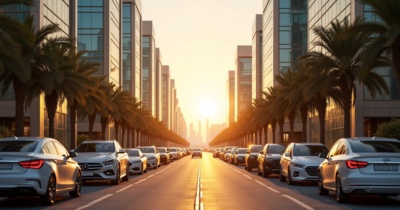
Summer in Dubai means 42 to 46 degrees by day and 33 to 35 at night, with coastal humidity reaching 90 percent. Walking further than two hundred metres is physically impossible, and a car becomes part of the survival infrastructure: from hotel air conditioning to car air conditioning to mall air conditioning. Summer is also low season, so rentals cost 25 to 35 percent less than in winter with the widest choice of cars.
Summer prices
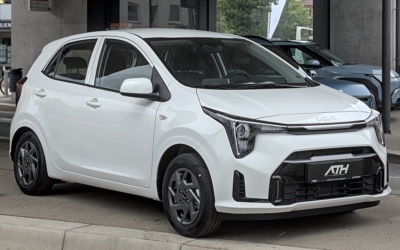
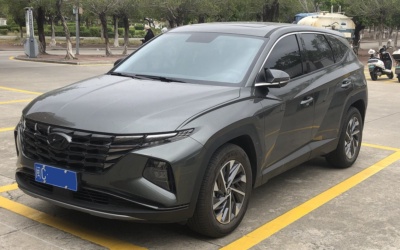
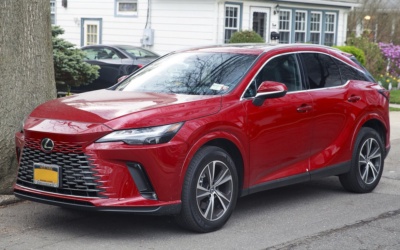
Economy and compact crossovers from AED 109, mid-size crossovers from 170. Premium cars and supercars carry discounts of up to 40 percent because demand nearly vanishes: the visitors who rent a Lamborghini for photographs come in winter. Monthly rates are at their annual low, with economy cars from AED 2,090.
A useful tactic: if you plan a winter stay from November, book in summer with a prepayment and we lock the summer price for winter dates. Over a month that saves AED 500 to 700.
Air conditioning
Every car in our fleet has working air conditioning, and we service the systems before the summer season because it is the first and biggest complaint from visitors. The correct routine when getting into a car left in the sun: open all doors for a minute to let the superheated air out, get in, run the air conditioning at maximum with fresh air intake, then switch to recirculation after two or three minutes for faster cooling.
A dark interior reaches 70 degrees, and the steering wheel and metal belt parts will burn you, so test with your hand before gripping. Keep a towel in the car to cover the wheel when parked, or choose a car with a light interior. Remote start from the key or an app is available on most cars from mid-size up, so you can cool the cabin five minutes before leaving the hotel.
Tyres, battery and mechanicals
Asphalt reaches 70 degrees in summer, tyre pressure rises, and a tyre inflated correctly in the shade in the morning is over-pressured by midday. We maintain pressures to the factory specification adjusted for the season, so you need check nothing. But if the pressure warning light comes on, stop in shade and call us rather than continuing.
Batteries in the UAE die more often in summer than they do in a European winter: heat kills them faster than cold. If the car will not start after being parked, that is our problem, so call and we will jump-start it or bring a replacement. Tyres wear faster in the heat, so we replace them more often than the standard schedule.
Parking
Look for covered and underground parking everywhere possible. Every mall, hotel, most residential towers and office buildings have it, often free for the first hours. The cabin temperature difference after two hours in the sun versus underground reaches 25 to 30 degrees. Street parking under a palm is a lottery: the shade moves within an hour while the car stays. We put a windscreen sunshade in every car in summer; use it every time, even for a short stop.
Water, children and pets
Always keep water in the car, at least a litre per person, and store it out of direct sun: a plastic bottle in a scorching cabin leaches compounds and the water turns hot. We include a pack of water at handover in summer. Never leave children or animals in a parked car, not even for a minute: without air conditioning the cabin reaches life-threatening temperatures within ten minutes, and UAE police make arrests for it.
Where to go in summer
The rule is simple: outdoors before 10 am and after 7 pm, indoors the rest of the time. Beaches from 6 to 9 am are empty and relatively cool, although the sea sits at 33 degrees and does not refresh. The mountains at Hatta and Jebel Jais run 10 to 15 degrees cooler than the city in the evening, making them the best summer destination. Al Ain, with its dry air, feels easier than the coast at the same temperature.
Indoor options: malls with an aquarium and ice rink, Ski Dubai with snow while it is 45 outside, IMG Worlds of Adventure and indoor water parks. Global Village is closed in summer and reopens in October. Dubai's nightlife is livelier than its daytime in summer: terrace restaurants with outdoor cooling, promenades and night markets running until dawn.
Roads in summer
Empty. Few tourists, many residents away, schools closed, and shorter, gentler jams. But there are caveats: asphalt softens on gradients and turns slippery after the rare summer rain, mirages on the Abu Dhabi highway are real and distort your sense of distance, and sandstorms in June and July can drop visibility to fifty metres within fifteen minutes. In a sandstorm switch on dipped headlights and hazards and slow down; in a severe one leave the highway and wait it out.
What to keep in the car
- A windscreen sunshade, which we provide.
- A towel for the steering wheel.
- Water, at least a litre per person.
- Sunglasses: light reflects off pale asphalt and tower glass.
- A power bank: phones discharge faster in heat and can shut down from overheating.
- A light jumper: malls and restaurants run their air conditioning at 18 to 20 degrees.
The summer calendar month by month
May. The heat begins at 38 to 40 degrees with humidity still low. Beaches are bearable in the morning. Prices start to fall. A good time for the last mountain trips.
June. 42 to 44 degrees with rising humidity. The sandstorm season starts. Schools close and many residents leave. Rental prices hit their lowest.
July. Peak heat at 44 to 46 degrees, with coastal humidity up to 90 percent. The emptiest month in the city. It sometimes coincides with Eid, when malls and restaurants fill up in the evenings.
August. Similar to July, though the heat starts easing towards month end. Dubai Summer Surprises brings sales and the malls come alive.
September. 38 to 42 degrees with humidity persisting. By month end it becomes noticeably easier. Schools reopen and the roads fill. Rental prices begin climbing.
What is open in summer and what is not
Open: all malls and indoor attractions, Ski Dubai, the aquarium, IMG Worlds, indoor water parks, cinemas, restaurants and nightlife. Beaches are open but swimming barely refreshes, with water at 33 to 35 degrees. Jebel Jais and Hatta work in the evening.
Closed or limited: Global Village from May to September, Miracle Garden, Wadi Hub in Hatta, most street markets and festivals, evening safaris with shortened programmes, and some hotel outdoor pools that are not chilled and become uncomfortably warm.
Better than in winter: empty roads, no queues at observation decks and museums, free parking spaces, hotel discounts up to 50 percent, and availability of any rental car without advance booking.
Summer discounts and how to use them
From June to September the UAE runs Dubai Summer Surprises, a discount programme covering malls, hotels, restaurants and attractions. Shop discounts reach 75 percent, hotels 50 and attractions 40.
For car rental this means rates 25 to 35 percent below winter, availability of premium cars that are fully booked in winter, and the chance to take a higher class for the same money.
Practical advice: if your aim is seeing Dubai and driving a good car rather than lying on a beach, a summer trip delivers twice as much for the same budget. All you lose is daytime walking, while everything else operates and costs less.