Al Ain is the second-largest city in the emirate of Abu Dhabi and the fourth in the country, yet in spirit it is the complete opposite of the capital: low buildings, palm shade, clay forts and a ban on high-rise construction. Sheikh Zayed, the founder of the UAE, was born here, and the city is preserved as a national treasure, nicknamed the Garden City. From Dubai it is 140 km along the E66, ninety minutes of driving.
The route
The E66, the Dubai–Al Ain Road, starts at the interchange near Dubai Outlet Mall and heads due south-east across the desert. Four lanes each way, a 120 to 140 km/h limit and cameras every 3 km. Along the way are camel farms by the roadside, a camel racing track and the village of Al Faqa; closer to Al Ain the desert gives way to green plantations grown over decades under the national afforestation programme.
The Abu Dhabi emirate border sits at roughly kilometre 70, and from there the 20 km/h speeding tolerance disappears: Abu Dhabi fines from 1 km/h over the sign. This is the most common mistake visitors make on this route. There are no toll roads apart from the Salik gantry on the way out of Dubai. ADNOC stations appear every 30 km.
What to see
- Al Ain Oasis. 147,000 date palms across 1,200 hectares, with the ancient falaj irrigation system that has run for over three thousand years, a UNESCO World Heritage site. Free entry, deep-shaded walkways inside, cool even in the heat, and an eco-centre explaining the channel system. Free parking at several entrances.
- Jebel Hafeet. A 1,240-metre mountain with a 12 km switchback road that regularly appears in lists of the world's best driving roads: three lanes, perfect asphalt, sixty corners and barriers along its entire length. From the top you can see Oman and desert to the horizon. There is a viewpoint, a cafe and the Mercure hotel at the summit. On the descent use low gear or L mode: brakes overheat on twelve kilometres of continuous downhill.
- Green Mubazzarah hot springs at the foot of the mountain: a park with thermal pools, lawns, playgrounds and a mini train. Families stop here after coming down from the summit.
- Al Ain Zoo. One of the finest in the Middle East, 900 hectares, part of the Arabian oryx conservation programme. There is a jeep safari through an African savannah section with giraffes and lions. Entry AED 32, safari from AED 200. In summer it opens in the evenings.
- Al Jahili Fort. An 1891 fortress, among the largest in the UAE, with a permanent exhibition of photographs by British explorer Wilfred Thesiger. Free entry.
- Sheikh Zayed Palace Museum. The house where the founder's family lived until 1966, with preserved interiors. Free entry.
- The camel market on the city outskirts: genuine trading and live deals; photography is allowed but ask first. Mornings only.
- Hili Archaeological Park with Bronze Age tombs some 4,500 years old.
A day itinerary
Leave Dubai at 7:30 am. The camel market at 9, before the heat and while trading is under way. The oasis and the palace museum until noon, where there is shade and cool air. Lunch in the old town at a local Arabic restaurant, where the bill is noticeably lower than in Dubai. After lunch, Al Jahili Fort, or the zoo if you have children. Jebel Hafeet at 3 to 4 pm to climb and catch sunset at the top: the light on the switchbacks is at its best then. Back in Dubai by 8 or 9 pm.
The day covers about 320 km, slightly over the 250 km daily cap, so the extra kilometres are charged at the rate shown on the car page, or agree unlimited mileage in advance.
Which car to take
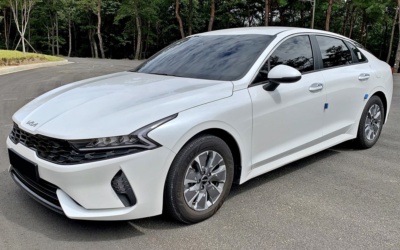
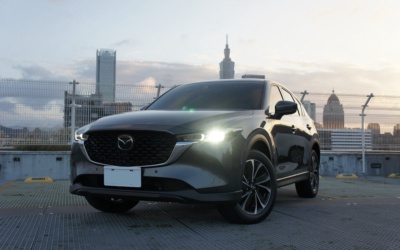
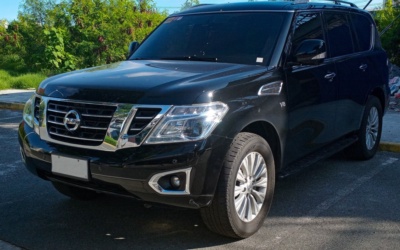
The Jebel Hafeet climb is far more enjoyable with power in reserve: twelve kilometres of continuous gradient push a 1.2-litre engine to its limit, especially fully loaded with the air conditioning on. A Kia K5, Mazda 6, Honda Accord or any crossover from 150 hp turns the climb into a pleasure. An SUV is not required since the road is paved, but a Nissan Patrol at the summit looks right at home, as does any powerful car: locals drive up specifically for the road.
For a family planning the zoo and the springs, boot space and rear air vents matter more: Kia Sportage, Hyundai Tucson, Toyota RAV4.
When to go
October to April is comfortable all day. In summer the oasis and zoo are bearable thanks to shade, while the mountain and the market work only early morning or after sunset. Al Ain sits far from the sea, so humidity is lower than in Dubai and the same temperature feels easier. On winter nights the summit of Hafeet drops to 8 to 10 degrees, so bring a jacket if you plan to stay for sunset.
Practical notes
Al Ain borders the Omani town of Buraimi, with the boundary running through the city and marked. Crossing it accidentally is difficult, but navigation apps sometimes route through Omani territory: check the route before setting off, since taking a rental car across the border without permission is prohibited. The city has Mawaqif paid parking via app, but every attraction has free parking.
Jebel Hafeet: driving technique on the switchbacks
Twelve kilometres of climbing with a 1,200-metre elevation gain puts real load on a car, especially in summer. A few practical rules.
On the way up: do not try to hold a high gear, let the transmission drop down. Watch the engine temperature gauge if fitted. If an overheat warning appears, stop immediately in a lay-by, open the bonnet and let it cool for 20 to 30 minutes without opening the radiator cap. Easing off the air conditioning helps on a hot climb.
On the way down: switch to manual mode or L and use engine braking. Continuous pedal braking over twelve kilometres of descent overheats the brakes, the pedal goes soft and effectiveness drops. This is the most common problem inexperienced drivers face on this road.
Generally: hold your lane through the bends, as locals drive quickly. Do not stop on the carriageway for photos; lay-bys appear every few hundred metres. Wild donkeys and goats appear on the road in the evening.
Al Ain for families with children
This destination suits children better than many Dubai attractions. Al Ain Zoo is one of the largest in the region, with safari jeeps through an African savannah section where giraffes come right up to the vehicle. Entry is AED 32 for adults, free for children under 3.
The Green Mubazzarah hot springs are a park with pools, lawns, playgrounds and a mini train, where local families spend whole days with picnics. Entry is free.
The oasis, with shaded paths between palms and working falaj channels, engages children as exploration rather than as a museum. Bicycles are available to hire.
The Sheikh Zayed Palace Museum shows mid-century Emirati family life without display cases or barriers, so children can walk into rooms and handle objects.
Combining Al Ain with other destinations
Al Ain sits halfway between Dubai and the Omani border and combines well with several routes. Option one: Al Ain and back to Dubai in a day, 320 km, the most common choice. Option two: Dubai to Al Ain to Abu Dhabi and back over two days with a night in the capital, about 500 km, seeing two cities without rushing. Option three: Dubai to Al Ain with a night at the Mercure hotel on the Jebel Hafeet summit to catch sunrise up there, an experience in itself.