Abu Dhabi is 130 km from Dubai along the E11 highway, known as Sheikh Zayed Road. The road is straight, six lanes each way, with a 120 to 140 km/h limit for most of the drive. From the Marina to the Grand Mosque is 1 hour 15 minutes, from Deira 1 hour 40. Public transport takes two and a half hours with a bus station transfer, and a one-way taxi costs AED 300 to 350. A car at AED 109 a day pays for itself on a single trip, with several rental days still left over.
The route
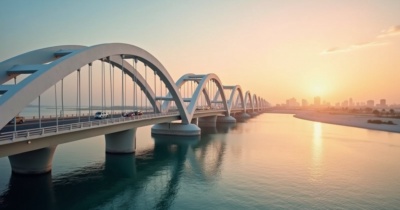
Get on Sheikh Zayed Road heading to Abu Dhabi and stay on it to the end; there are almost no turns or interchange choices to make. Near Jebel Ali you will pass a Salik gate, AED 4.20 to 6.30, part of Dubai's system. Further on the highway becomes the E11, and just past the Abu Dhabi border the Darb gate at Ghantoot, part of Abu Dhabi's own system, charges AED 4 at any hour; the parallel E311 avoids it. The E11 eventually reaches the Sheikh Zayed Bridge, where a Darb gantry charges AED 4 at peak hours, Monday to Saturday 7–9 am and 3–7 pm, and nothing at other times. All of them are billed automatically; there is nothing to stop for.
Two things worth remembering on the way. First, at the emirate border, roughly 60 km from Dubai, Dubai's 20 km/h speeding tolerance disappears. In Dubai a camera fires at 141 when the limit is 120; in Abu Dhabi at 121. Second, keep to the right unless you are overtaking: the left lanes are for faster traffic, although the 120 km/h minimum speed on the E311 was scrapped in April 2025.
Petrol stations sit every 20 to 30 km along the highway, large ADNOC branches with shops, cafes and clean restrooms, good spots to stretch your legs. Traffic on the highway is light except on Monday mornings towards Abu Dhabi, when workers commute on a rotational basis, and Thursday evenings on the way back before the weekend.
A one-day itinerary with timing
- 7:00 am. Leave Dubai.
- 9:00 am, Sheikh Zayed Grand Mosque. The first stop as you enter the city, 15 minutes from the bridge. Free entry, huge free parking, the mosque itself is reached through an underground shopping area with souvenirs. Women without covered shoulders and legs are given an abaya at the entrance, men may not wear shorts. Mornings have fewer visitors and better light for photographing the white marble. Allow ninety minutes.
- 10:30 am, Qasr Al Watan. The presidential palace museum, 20 minutes from the mosque. Entry AED 65, free parking. Cool and spacious inside, good for midday when it is hot outside. The gold-domed library and the evening light show if you stay until sunset.
- 12:30 pm, lunch on the Corniche. An 8 km waterfront promenade with sea views, cafes and restaurants for every budget. Paid parking via Darb-Mawaqif, AED 2 to 3 an hour.
- 2:30 pm, Louvre Abu Dhabi. Saadiyat Island, 20 minutes from the centre over the Sheikh Khalifa Bridge (AED 4 at peak hours, free at other times). Entry AED 63, free parking. The dome's "rain of light" effect and a collection spanning antiquity to modern art. Closes at 6:30 pm and is shut on Mondays, worth checking against your day of the week.
- 5:00 pm, optional Yas Island. 20 minutes from Saadiyat. Ferrari World, Warner Bros World, Yas Waterworld and the Formula 1 circuit with guided tours. This is a full day on its own, but you can see the Ferrari World building and the Yas Marina Circuit in passing.
Head back before 5 pm to avoid the evening rush at the bridge, or after 8 pm when the road is clear again. You will be home in Dubai by 7 to 9 pm.
Parking in Abu Dhabi
The Mawaqif system: blue and white markings are paid, AED 2 to 3 an hour, from 8 am to midnight except Sundays, which are free all day. Pay via the Darb app or SMS to the short code shown on the zone sign. Every major sight, including the mosque, the palace and the Louvre, has free parking; you only pay near restaurants and malls in the city centre.
What the trip costs beyond the rental
On an economy sedan: fuel about AED 40 round trip at 6 to 7 litres per 100 km, Salik and Darb together about AED 16 to 30 for the round trip, restaurant parking AED 10 to 20. Total under AED 90 above the rental, for any number of passengers. The same trip by taxi would cost about AED 300 to 400 one way, so AED 600 to 800 there and back, and a guided coach tour starts at AED 250 per person while tying you to a group schedule.
Which car to take
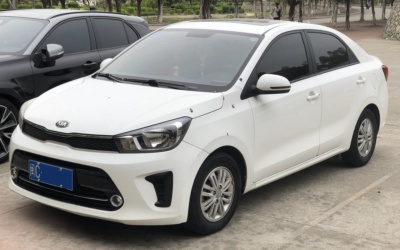
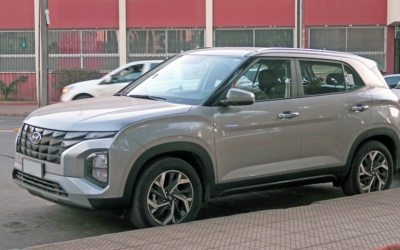
The road does not call for an SUV: the asphalt is perfect, there are no sharp interchange turns, and every car in the fleet has air conditioning. For four people with children a crossover like the Hyundai Creta or Kia Sportage is more convenient; the boot and higher seating make frequent stops easier. For two people any economy car, Kia Pegas or Toyota Yaris, is enough. For a memorable drive, a Ford Mustang or BMW 420i convertible turns the road itself into part of the day, especially early morning or at sunset.
Mileage and drive time with traffic
A Dubai to Abu Dhabi and back loop with stops in the city adds up to 280 to 300 km, slightly above the 250 km a day included in every rental. The extra 30 to 50 km are charged at the rate shown on the car page, so check it in advance if you also plan to drive around Abu Dhabi itself. Drive time grows by 15 to 20 minutes each way if you leave at 8 am instead of 7, because of the morning flow of workers heading to industrial zones on the approach to the capital.
Stops along the way if you have time
The E11 passes several places worth a detour on an unhurried trip.
- Dubai Parks and Resorts, 35 minutes from the Marina: Motiongate, Legoland and Riverland. A full day in itself, not combinable with Abu Dhabi.
- Outlet Village, a Tuscan-village-styled outlet mall at the Al Ain interchange, a good coffee stop.
- Ghantoot, a village on the emirate border with a beach and a polo field.
- The Al Rahba service area, an ADNOC complex with a restaurant, the standard driver stop.
- Yas Island, just before the city: Ferrari World, Warner Bros World, Yas Waterworld, the Formula 1 circuit and Yas Mall. No island bridge gate lies on the way to Yas, but the Ghantoot gate on the E11 charges AED 4 at any hour unless you take the E311.
- Masdar City, an experimental eco-city with driverless transport, interesting architecturally.
Abu Dhabi in winter and summer
In winter, November to March, the capital is perfect for walking: 22 to 28 degrees, the Corniche with cycle paths, beaches and open-air cafes. That is when to plan a full day on foot between the sights.
In summer the itinerary changes: the mosque early morning or after sunset when the white marble is lit, the palace and the Louvre as the main stops for their air conditioning, and the Corniche in the evening. Abu Dhabi is easier than Dubai in summer: humidity is lower and the evening breeze off the gulf is noticeable.
The night trip
A rarely suggested option that works well: leave Dubai by 17:00 and arrive in Abu Dhabi by 18:30. The Grand Mosque takes visitors until 20:00 (it closes at 20:30) and is floodlit at dusk, the most striking time for photographs. The Corniche is lively and restaurants serve until midnight. Head back at 23:00 on an empty highway, an hour and twenty minutes. This suits anyone unwilling to start at 7 am and avoids the daytime heat in summer.
Note that the Louvre and the palace are closed in the evening, and on Fridays the mosque closes to visitors from 11:30 to 14:30.
The Grand Mosque: visiting rules
Sheikh Zayed Grand Mosque is open to visitors daily from 9:00 to 20:30 (last entry 20:00); on Fridays from 9:00 to 11:30 and from 14:30 to 20:30. Entry is free, but the mosque asks all visitors to pre-book a free online access pass, so check the hours and book on szgmc.gov.ae before travelling.
Dress code: women need arms covered to the wrists, legs to the ankles and hair under a scarf. Abayas are provided free at the entrance if needed. Men need long trousers and a sleeved shirt; shorts and vests are refused. Shoes come off before entering the prayer hall.
What is not allowed: photographs in poses that could be read as disrespectful, loud conversation, eating and drinking inside, and entering restricted areas.
Logistics: entry is through the underground Souk mall, which also has toilets, cafes and souvenirs. Parking is free and vast but fills by midday at weekends. A visit takes ninety minutes to two hours, and free English-language tours run to a schedule.
Where to eat in Abu Dhabi
On the Corniche: restaurants overlooking the gulf, from budget Lebanese at AED 40 to 60 to hotel dining rooms at AED 150 to 300. Mawaqif paid parking applies.
In the old town: authentic Indian, Pakistani and Lebanese places with bills of AED 25 to 50, around Al Markaziyah and Hamdan Street.
On Yas Island: Yas Mall and the Yas Bay waterfront with chain and independent restaurants, free parking.
At Emirates Palace: the famous gold-flecked cappuccino and luxury restaurants, with free parking for guests.
Unlike Dubai, Abu Dhabi carries fewer tourist markups, and lunch at a local restaurant costs noticeably less.