Spaniards rarely travel to Dubai alone. It is usually a family over Semana Santa or Christmas, a couple on a long weekend, or a group of friends who want to fit the city, the desert and the mountains into one week. For that kind of trip a car nearly always beats taxis, especially when the driving is shared. Here are answers to the questions our Spanish visitors ask most.
Is a Spanish licence valid in the UAE
Yes. Spain is part of the EU, and national licences from all 27 EU countries are accepted in the UAE for visitors without an International Driving Permit. The list is approved by the UAE Ministry of Interior and the rule is the same in Dubai, Abu Dhabi and the other emirates. A Spanish card licence in Latin script is enough, and at a check the police will only ask for it, your passport and the car documents.
Bear in mind that the issuing country is what counts. If someone in your group lives in Spain but drives on a licence from a country outside the list, they need an IDP together with their national licence. If in doubt, check with us before booking. The rule is also for visitors only: if you move to the UAE on a residence visa, you need a local licence, and a Spanish one is exchanged at an RTA service centre without a test.
What you are asked for at handover
- Passport with a valid UAE visa or entry stamp.
- The original licence, valid for the whole rental.
- Age 21 or over and at least 1 year of experience. There is no young-driver fee; some supercars have stricter terms, shown on the car page.
We photograph the documents ourselves. The registration card and the contract are kept in the glovebox.
When several people will drive
On a group trip it makes sense to take turns at the wheel, particularly on long routes. Everyone who will drive has to be named in the contract, so each person's licence and passport are needed at handover. Insurance is included in the price, but it only applies when the driver is named in the contract and holds a valid licence. If someone else drives and there is an accident, the insurer may refuse to pay and the repair cost falls on the renter. It is simpler to add everyone from the start.
How to pay and whether there is a deposit
You can pay in cash, by bank card or with an e-wallet. Spanish Visa and Mastercard cards generally work in the UAE, and it helps to let your bank know about the trip in advance. When paying by card, the rental amount may be held as a pre-authorisation and charged at the end. If your group is splitting costs, agree beforehand whose card or wallet the booking goes on.
Most cars need no deposit. If one is required, it is shown on the car page. Some cars come from a partner company with its own terms: a 1,000 AED deposit, a minimum of 3 or 7 days and no driving to Oman.
On the road: what a Spanish driver will notice
Traffic keeps to the right and the wheel is on the left, as in Spain. The differences are in the details:
- Speed is tightly enforced. Sheikh Zayed Road is posted at 100 or 120 km/h depending on the section. Dubai cameras typically record from about 21 km/h over the limit, and Abu Dhabi has no tolerance.
- Multi-lane roundabouts and interchanges. Give way to traffic coming from the left and get into the right lane early, ideally with navigation running.
- Frequent lane changes. On wide highways cars switch lanes quickly, so keep your distance and check your mirrors.
- Heat. Even if you are used to a Spanish summer, a car left in an open car park gets very hot inside. Underground mall car parks solve this.
Fines arrive electronically, with no paper on the windscreen, and are paid by the renter at actual cost.
Salik instead of toll motorways
On a Spanish toll motorway you pass through a booth. In Dubai the toll sections use Salik gates without stopping, and the tag is already in the car. A crossing costs AED 6.30 from Monday to Saturday between 6:00 and 10:00 and between 16:00 and 20:00, AED 4.20 at other times, a flat AED 4.20 on Sundays, and nothing from 1:00 to 6:00. The renter pays Salik at actual cost with no markup, and the total may arrive after you return the car because the data comes with a delay. Parking is paid almost everywhere and charged to the number plate through an app or meter.
Which car to choose
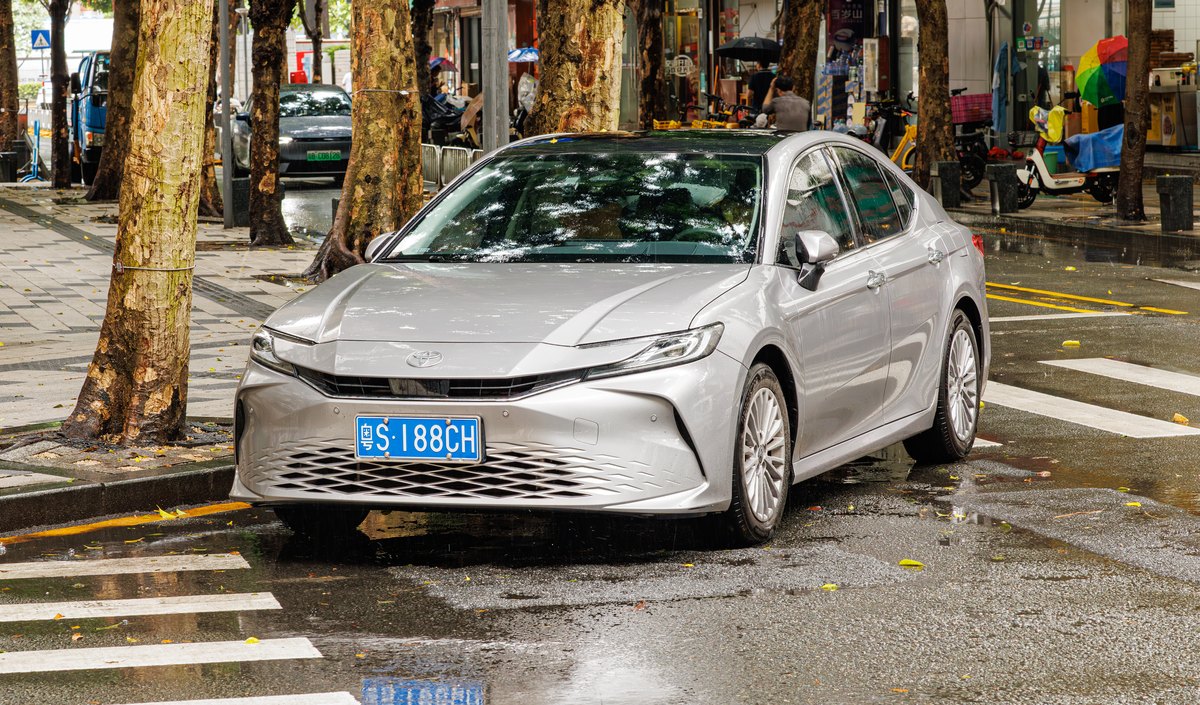
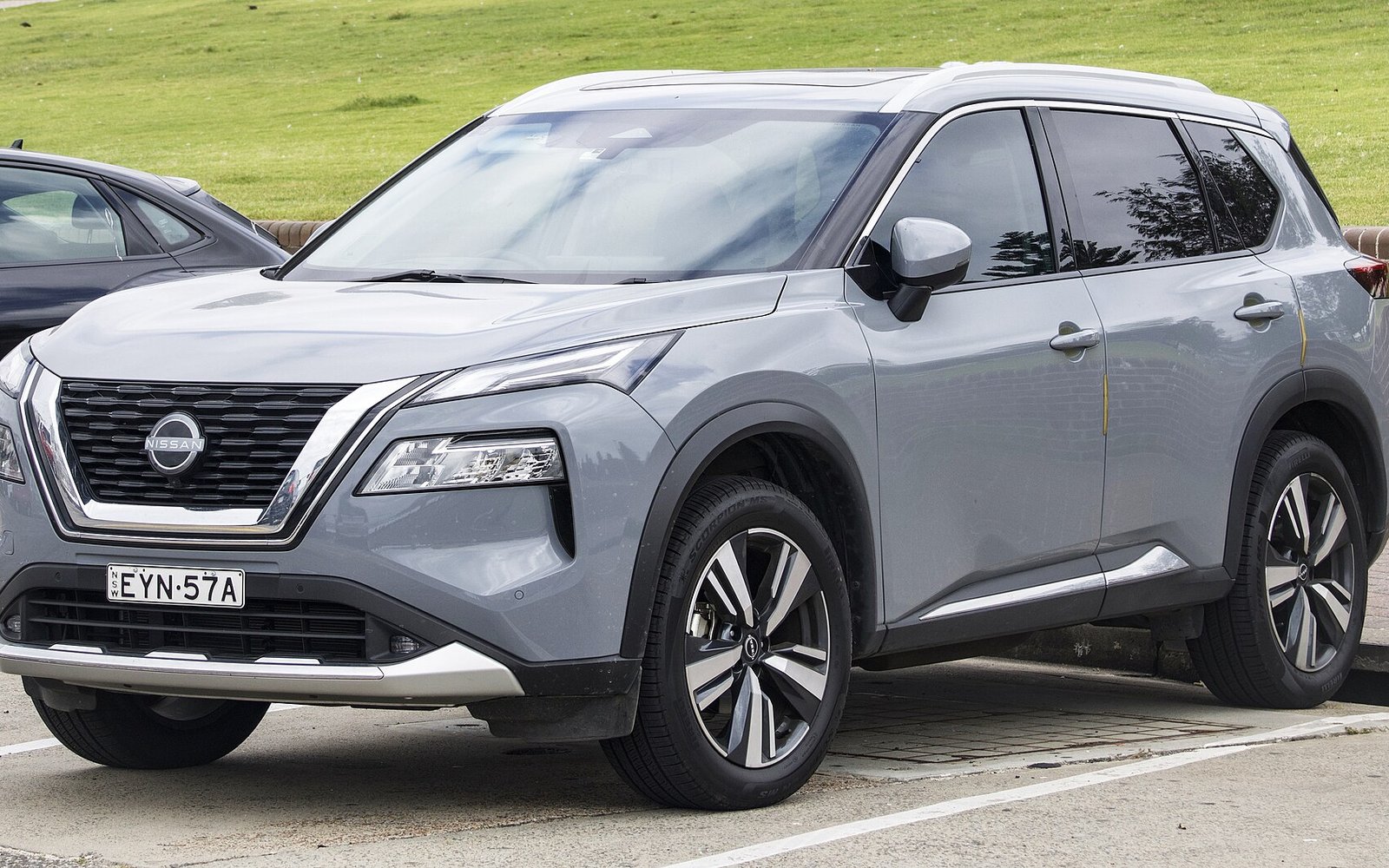
A couple will be fine with a sedan, and in winter a convertible is an option. A family with children is better off in a crossover or SUV. A group of five or six with luggage suits a seven-seat SUV or a minivan, which saves renting two cars and finding two parking spaces. Four-wheel drive matters only for the desert; for paved routes to Hatta (about 130 km), Abu Dhabi (about 140 km) or Al Ain it is not needed.
250 km per day is included. If you plan long drives every day, mention it when booking.
Rental length and delivery
The minimum period for most cars is 1 or 2 days. On rentals of 7 days or more, delivery and return anywhere in Dubai are free; for shorter rentals, delivery and return together cost 210 AED. Our office in Princess Tower, Dubai Marina, is open daily 10:00 to 19:00. If you want to cross into Oman, ask when booking.