Why it pays to read the contract
The rental contract is the one document that settles who is responsible for what during your trip. It also sits in the glovebox next to the registration card, and the police ask for it at a roadside check. A few minutes with the key points before handover saves time at the counter, and anything unclear is worth asking us: we speak English and Russian.
Below are the points worth checking before you sign. Terms can differ between cars, so treat the car page and the contract itself as the final word.
Who is listed as a driver
Only the people named in the contract may drive. If a second person will take the wheel, their licence and passport are needed at handover and they are added to the contract. If someone who is not listed drives, the insurer may refuse a claim after an accident and the cost falls on you.
Check that names match the passports and that licence numbers are correct. If you need an International Driving Permit, make sure every driver has one. The minimum age is 21 with at least one year of experience, and some supercars may have stricter terms shown on the car page.
Mileage and insurance
250 km per day is included with us. Extra kilometres are charged separately, so find the per-kilometre rate in the contract and compare it with your plans. A day trip to Abu Dhabi, Al Ain or the east coast can push you past the daily limit, so it is worth estimating the distance in advance. If your days are uneven, ask us how the allowance is counted across the rental period.
On most cars insurance is included in the price. In general terms it works like this: after an accident the insurer covers part of the damage and the renter pays the rest, and that part is called the excess. We do not quote excess amounts in this guide because they depend on the car. Questions to ask before signing:
- what the excess is on this particular car;
- what the insurance does not cover (typically serious rule breaches, use against the contract and some types of damage);
- what to do and whom to call after an accident.
Fines, Salik and other charges
Speeding fines and Salik tolls are paid by the renter at actual cost. We do not take a deposit against possible crossings and we do not guess a figure: the invoice is built from the real data on how many times the car passed a gate.
Keep in mind that this data arrives with a delay. The final amount for Salik and fines may not be known when you return the car, and a charge can arrive after you have left Dubai. That is normal across the whole market. The Salik tag is already built into the car, so there is nothing to set up.
| Item | How it is paid |
|---|---|
| Rental | cash, bank card or e-wallets |
| Salik | at actual cost, at the official rate |
| Fines | at the actual amount |
| Delivery and collection | free from 7 days; AED 210 for delivery and return together on shorter rentals |
Delivery, collection and fuel
On rentals of 7 days or more, delivery and return anywhere in Dubai are free. On shorter rentals delivery costs AED 210 for delivery and return together. Check the address, the time and who will receive the car in the contract.
For fuel the rule is simple: check the fuel level at handover and agree the return level. A photo of the dashboard helps, because it shows both the fuel gauge and the mileage.
How damage is handled at return
At return the car is inspected and compared with its condition at handover. That is why it matters to photograph the bodywork at pickup and to have existing scratches written down. Notes and photos from handover are your protection if a dispute comes up later. We cover the full inspection routine in a separate checklist article.
If damage happens during the trip, tell us straight away. Do not arrange repairs yourself and do not agree to a repair at a random workshop.
Deposit, pre-authorisation and partner cars
Most cars need no deposit. If a car does, it is shown on its page. When you pay by card, the rental amount may be held as a pre-authorisation and charged at the end. It is not a deposit and not an extra fee, but part of your card limit will be tied up for a while.
Some cars are provided by a partner company with its own terms: a deposit of AED 1,000, a minimum rental of 3 or 7 days, delivery at AED 80 each way (free from 30 days), and no driving to Oman. These cars are marked on their pages, where the deposit and minimum period are shown.
Roads and driving to Oman
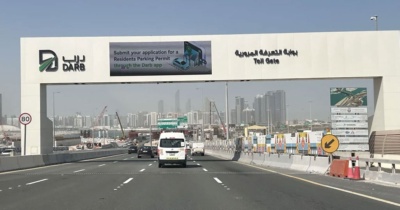
Dubai's toll gates run on Salik, while Abu Dhabi has its own system, Darb. They are independent and charged separately. You can drive between emirates, but keep an eye on the daily mileage.
A trip to Oman has to be agreed when you book: it may be allowed on some cars and is not allowed on partner cars. Crossing the border without agreement breaks the terms of the contract, so settle it with us before you sign.
Checklist before you sign
- Every driver is listed; names and licence numbers are correct.
- Dates, times and addresses for handover and return match what we agreed.
- Mileage is 250 km per day and the rate for extra kilometres is clear.
- You know the excess and what the insurance does not cover.
- You understand how fines and Salik are paid.
- The fuel level at handover is noted and the return level is agreed.
- Deposit and pre-authorisation: you know what is held and when.
- Driving to Oman: the answer is in the contract.